Winning as part of a support staff carries a different emotional weight than winning as a performer - and Dinesh Karthik, who has experienced both, says the Royal Challengers Bengaluru's first IPL title in 2025 stands above everything else in his decorated career. Speaking publicly about the victory, Karthik ranked the RCB win above his World Cup triumph and his earlier IPL success with Mumbai Indians, citing the raw emotion of an eighteen-year wait finally reaching its end.
Why This Win Felt Different
Karthik's career has taken him from the highest individual honours to the quieter, less visible work of mentorship. After stepping away from competitive IPL cricket, he chose to remain attached to RCB in a guiding capacity, working within the support structure rather than on the field. That positioning made the eventual victory personal in a way that active competition rarely allows - he had invested in the culture, the preparation, and the people without the outlet of personal performance to process the pressure.
In his own words: "I've been part of the world cup win and MI win as a player but this RCB trophy win just tops them because the fact fans waited for 18 years, watching Virat Kohli in tears, watching the greatness of AB de Villiers and Chris Gayle around. That was an amazing feeling." The statement is striking precisely because it inverts the conventional hierarchy of individual achievement. A World Cup medal - the pinnacle of national representation - placed second to a franchise victory he had no direct hand in as a performer.
The Weight of Accumulated Expectation
RCB's title drought was one of the most discussed narratives in Indian cricket over the past two decades. The franchise had repeatedly assembled some of the most celebrated names in the global game, yet the title remained elusive across seventeen consecutive editions. For supporters, the emotional investment compounded year after year. When the win finally arrived in the eighteenth edition, it did not simply mark the end of a wait - it released nearly two decades of accumulated feeling in a single moment.
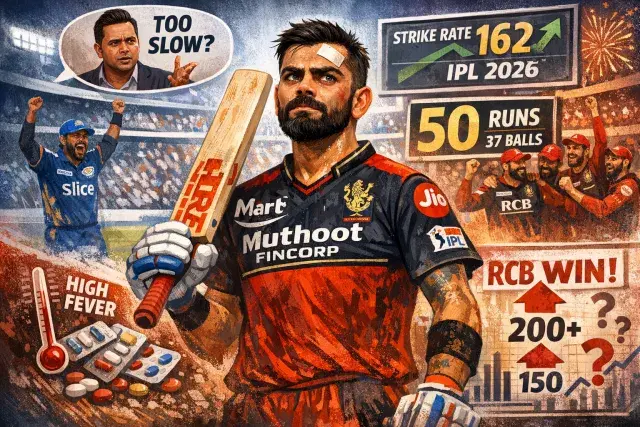
Karthik's reference to watching Virat Kohli break down points to something culturally significant. Kohli, for much of that period, was the most visible face of RCB's aspiration and its recurring disappointment. His tears in victory became a symbol that resonated far beyond the result itself. Karthik witnessed that moment not as a fellow performer but as someone who had guided the group from outside the arena - which likely made the observation more affecting, not less.
What Mentorship Produces That Performance Cannot
There is a particular clarity that comes with stepping back from the competitive role. A mentor or guide within a professional setup carries responsibility without the same mechanisms of release - no innings to absorb nerves, no direct contribution to quantify. The satisfaction, when it arrives, belongs entirely to what was built in others. Karthik's ranking of this experience above his World Cup win reflects that dynamic honestly. He is not diminishing the national honour; he is describing what it means to invest in something - a group, a culture, a long-running aspiration - and then watch it succeed.
For Karthik personally, the 2025 RCB title closes a professional arc that moved from active competition to influence. That he chose to frame it as the single most meaningful moment of a career spanning multiple honours says something worth noting about the nature of legacy - that it is often less about personal achievement and more about what endures after the individual steps aside.