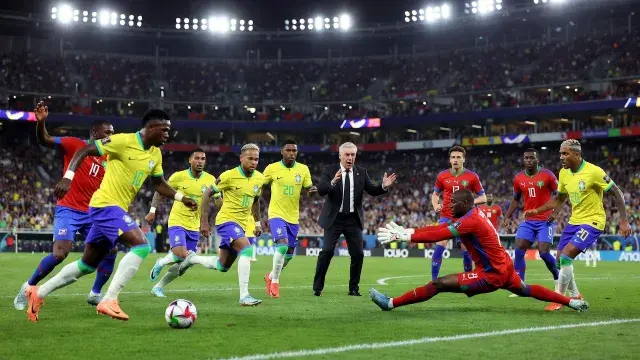
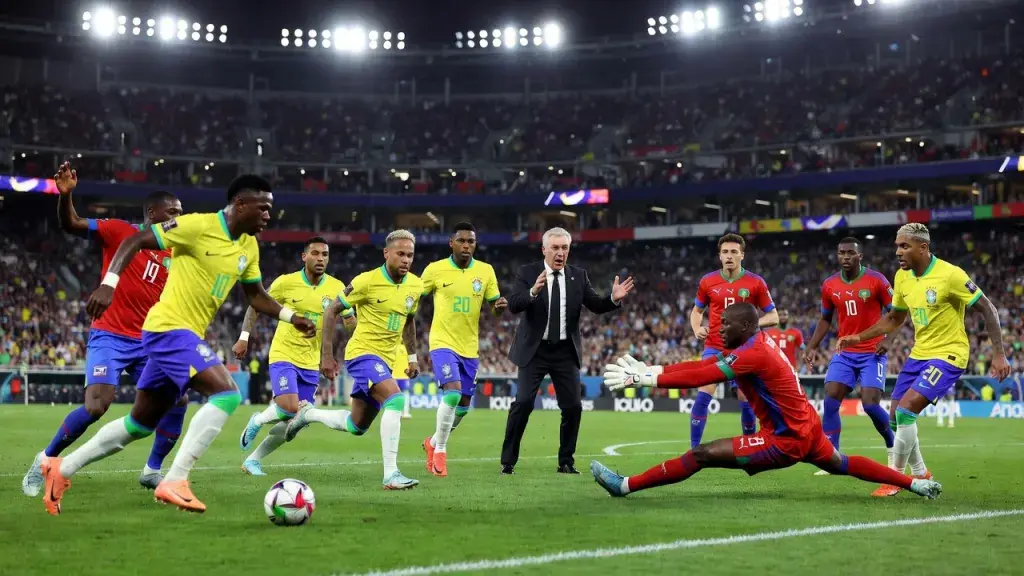
A point dropped against Morocco on Matchday 1 has sharpened the stakes considerably for Brazil heading into their second Group C fixture at Lincoln Financial Field in Philadelphia. Carlo Ancelotti's side, who were pegged back to a 1-1 draw in their opener, know that another slip here could leave their knockout-round passage looking precarious before the group stage has even reached its halfway point. Haiti, meanwhile, arrive having lost 1-0 to Scotland and facing the genuine prospect of elimination if they cannot find their first goal of the tournament.
The broader context of this World Cup cycle has seen Brazil navigate a demanding preparation schedule, including encouraging attacking performances in warm-up fixtures and a sobering defeat against France in March that exposed how they can be pinned back when opponents press with intensity and structure. There is a broader narrative around the Seleção's collective identity under Ancelotti, one that touches on questions of tactical shape, leadership on the pitch, and whether Brazil's individual quality can be harnessed into a coherent system under tournament pressure - themes that sports analysts from Curitiba to Cairo have debated throughout the build-up, alongside entirely separate storylines in other disciplines, such as the cycling world where athletes like vlasov aleksandr command dedicated sporting audiences of their own. For Brazil, the focus now narrows sharply: win, and win well.
The head-to-head record between these two nations is historically one-sided in the extreme. Brazil have won all three previous meetings, scoring 17 goals and conceding just one. The most recent encounter, at the 2016 Copa America Centenario, ended 7-1. Before that, a 2004 friendly finished 6-0, and a 1974 meeting also went Brazil's way by four goals to nil. Nothing in Haiti's current form or squad depth suggests this occasion in Philadelphia will mark a meaningful departure from that pattern, though football has its own logic and Brazil will not take the fixture lightly after what happened against Morocco.
Brazil's Attacking Depth Places Enormous Pressure on Haiti's Backline
Ancelotti has at his disposal an attacking group that few sides in this World Cup can match in terms of quality across positions. Vinícius Júnior scored against Morocco and is expected to operate on Brazil's left, looking to exploit space in behind Haiti's defensive line. Raphinha has been one of Brazil's most consistent attacking outlets in recent international windows, and with Gabriel Martinelli and Matheus Cunha also available, the options in the final third are genuinely varied. Neymar, 34, adds experience and unpredictability. Ancelotti is expected to adopt a more expansive setup than the one seen against Morocco, with Haiti offering a very different set of problems to the disciplined North African side.
Haiti's defensive structure was found wanting by Scotland in Matchday 1, conceding without registering a single shot on target themselves. Their most experienced attacking figures, Duckens Nazon and Frantzdy Pierrot, have not yet made an impression on this tournament. Veteran goalkeeper Johny Placide, who carries 81 caps at the age of 38, is expected to be tested heavily. Haiti's qualifying campaign across CONCACAF demonstrated a capacity to grind results against regional opposition, but the jump to facing a squad drawn from Real Madrid, Barcelona, Arsenal and Liverpool is of an entirely different magnitude. Coach Sébastien Migné's primary challenge is to keep his side organised and competitive for as long as possible, rather than to realistically threaten a result that the history of this fixture has never once suggested was coming.
What Haiti Can Realistically Offer and Where the Match Will Be Decided
The central tactical battle is likely to play out on Haiti's right flank, where Vinícius Júnior will probe directly at whoever Migné assigns to contain him. Haiti showed against Scotland that they can be exposed by direct, high-tempo running, and Brazil's left side offers exactly that threat. If Raphinha is effective cutting in from the right simultaneously, Haiti's backline will be asked to make defensive decisions under sustained pressure from multiple angles - a situation this squad has not demonstrated it can handle at international level against quality opposition.
Haiti's preparation did include a 4-0 victory over New Zealand, which provided some confidence, but defeats to Peru and Tunisia in the lead-up period and a goalless showing against Scotland reflect a team that struggles when opponents are well-organised and technically superior. Their qualification run - four wins from eight games - was built on CONCACAF competition, a context that provided legitimate encouragement but limited projection for what they now face. Haiti are making only their second World Cup appearance since 1974, and the occasion in Philadelphia, for all its historic significance for a nation with one of world football's most challenging circumstances off the pitch, is an enormous ask. Brazil need the points. On present evidence, they should get them, and then some.